

 Send Inquiry




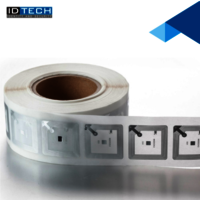
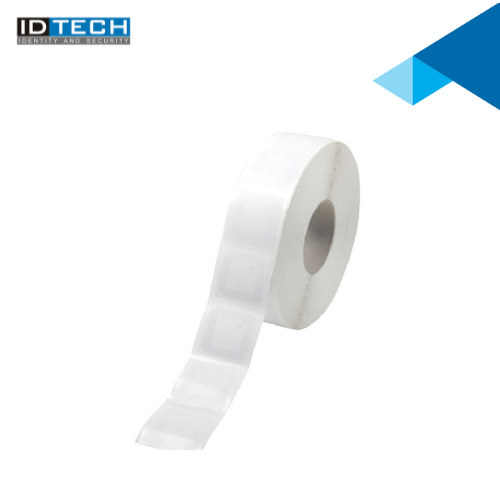
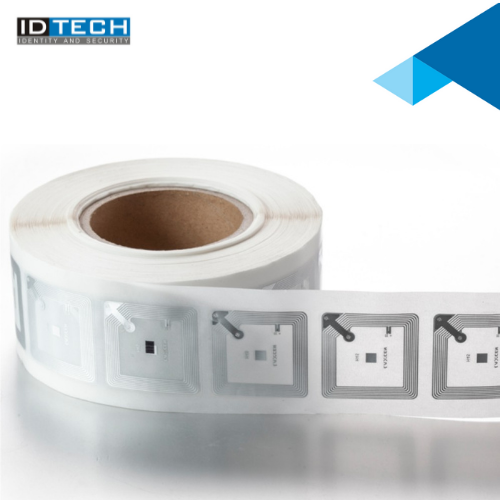
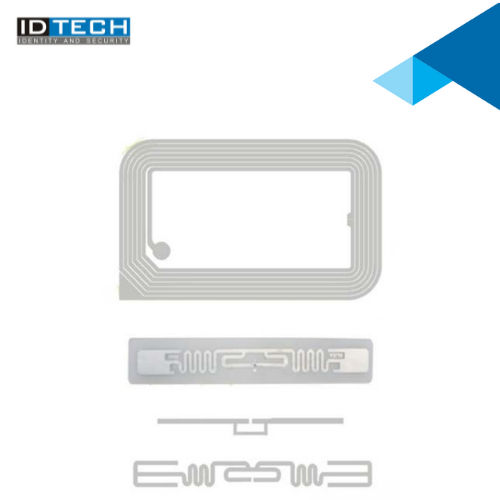
RFID HF Inlays or Labels
10 INR
Product Details:
- Transmission Power Operates within power supplied by RFID reader, typically <100mW
- Frequency Band 13.56 MHz
- Antenna Type Aluminum or copper etched/printed antenna
- Standard ISO 15693, ISO 14443A/B, EPC Class 1 HF
- Operating Mode Passive
- License Free Yes
- Connectivity Type Contactless (RF field activated)
- Click to View more
X
RFID HF Inlays or Labels Price And Quantity
- 1000 Number
- 10 INR
- PET (Polyethylene Terephthalate) or paper
- Minimum 10 years
- -40°C to +85°C
- Typically up to 100,000 cycles
- -25°C to +70°C
- Suitable for paper, plastic, cardboard, and non-metallic surfaces
- Long-lasting adhesive, resistant to moisture and normal wear
- Available for size, encoding, and printing upon request
- Compliant
- Up to 50 cm (depending on reader and environment)
- Can be customized with barcode or printed graphics
- RoHS and REACH compliant
- Typically 128 bytes to 2 kbit EEPROM
- NXP ICODE, MIFARE Ultralight, or similar compatibility
- Supplied as rolls or sheets for machine dispensing
RFID HF Inlays or Labels Product Specifications
- Yes
- Library management, document tracking, inventory monitoring, asset identification, pharmaceutical labeling
- Passive (powered by reader signal)
- Contactless (RF field activated)
- RFID radio wave communication; compatible with standard HF readers
- Available in various sizes; typical example: 45mm x 76mm, customizable
- Data transmission via RFID; encoding customizable as per RFID system
- Self-adhesive label format; converts to inlay for embedding
- Thin, flexible, suitable for self-adhesive conversion, reliable read/write performance
- Operates within power supplied by RFID reader, typically <100mW
- RFID High Frequency (HF) Inlay/Label
- 13.56 MHz
- Aluminum or copper etched/printed antenna
- ISO 15693, ISO 14443A/B, EPC Class 1 HF
- Passive
- PET (Polyethylene Terephthalate) or paper
- Minimum 10 years
- -40°C to +85°C
- Typically up to 100,000 cycles
- -25°C to +70°C
- Suitable for paper, plastic, cardboard, and non-metallic surfaces
- Long-lasting adhesive, resistant to moisture and normal wear
- Available for size, encoding, and printing upon request
- Compliant
- Up to 50 cm (depending on reader and environment)
- Can be customized with barcode or printed graphics
- RoHS and REACH compliant
- Typically 128 bytes to 2 kbit EEPROM
- NXP ICODE, MIFARE Ultralight, or similar compatibility
- Supplied as rolls or sheets for machine dispensing
RFID HF Inlays or Labels Trade Information
- Per Week
- Week
- Australia, North America, South America, Eastern Europe, Western Europe, Middle East, Africa, Central America, Asia
- All India
Product Description
RFID HF Inlays or Labels, which is made by using excellent quality required materials with the assistance of modern technology. This item is mainly utilized in the various industries for identifying and searching purposes. It holds some features, such as, superb performance, high quality and highly durable in nature. Our offered RFID HF Inlays or Labels is tested on the various quality parameters before dispatching it from our premises.
Reliable Performance and Durability
These HF RFID inlays and labels feature long-lasting adhesive, are resistant to moisture, and maintain integrity through normal wear. With a minimum data retention span of 10 years and up to 100,000 read/write cycles, they offer dependable performance for long-term applications on various non-metallic surfaces, including paper, plastic, and cardboard.
Versatile Application and Customization
Perfect for library and inventory management, asset tracking, and pharmaceutical labeling, these labels support barcode and graphic printing. They're customizable in size, encoding, and substrate material (PET or paper), and are supplied as rolls or sheets. Their thin, flexible design facilitates easy self-adhesive conversion and embedding into products.
Advanced Technology and Compliance
Built with NXP ICODE, MIFARE Ultralight, or compatible chips, the inlays operate at 13.56 MHz following ISO 15693, ISO 14443A/B, and EPC Class 1 HF standards. They use passive power supplied by the RFID reader signal (<100mW), ensuring license-free use worldwide. Antenna options include aluminum or copper etching for reliable contactless communication.
FAQ's of RFID HF Inlays or Labels:
Q: How do RFID HF inlays or labels communicate with readers?
A: These RFID HF inlays operate via contactless radio wave transmission at 13.56 MHz, activating when within range of an HF reader. Passive by design, they draw power from the reader's electromagnetic field and transmit encoded data using standard RFID protocols.Q: What surfaces and environments are suitable for application of these labels?
A: They can be securely applied to paper, plastic, cardboard, and other non-metallic surfaces. The labels feature a strong adhesive that resists moisture and regular handling, making them ideal for both indoor and moderate outdoor environments within specified temperature ranges.Q: Can these RFID labels be customized for specific uses or branding needs?
A: Absolutely. Size, encoding, and printing (barcodes or graphics) can all be tailored to your requirements. Substrate materials like PET or paper and packaging formats (rolls, sheets) can also be specified to suit automated dispensing and unique application needs.Q: What is the typical read range and data retention duration for these RFID inlays?
A: Read ranges reach up to 50 centimeters, depending on the reader and environment. The embedded EEPROM ensures reliable data retention for a minimum of 10 years and supports up to 100,000 read/write cycles.Q: Where are these RFID HF labels commonly used?
A: These labels are widely utilized in library management, document or asset tracking, inventory monitoring, and pharmaceutical labeling. Their compliance with international standards and robust construction suits critical identification and authentication tasks across various industries.Q: What benefits do passive HF RFID labels offer over other technologies?
A: Passive HF RFID labels require no batteries, offering a maintenance-free solution. They're globally license-free, cost-effective, thin, and flexible, enabling easy integration into products and packaging for seamless tracking and identification.Q: How are the labels supplied and what installation options are available?
A: Labels are supplied in rolls or sheets for machine-driven dispensing or manual application. Their self-adhesive backing allows for quick attachment to surfaces, or they can be converted into inlays for embedding within items as needed.Tell us about your requirement

Price:
Quantity
Select Unit
- 50
- 100
- 200
- 250
- 500
- 1000+
Additional detail
Mobile number
Email

Other Products in 'RFID Inlays Or Labels' category


"We are accepting bulk order quantity only."
 Send Inquiry
 Send SMS
 Call Me Free
ID TECH SOLUTIONS PVT LTD
GST : 06AACCI5313D1Z4
GST : 06AACCI5313D1Z4

- Plot No. 610, Udyog Vihar, Phase V, Gurugram - 122016, Haryana, India
- Phone : 08045813073

- Mr Saurav Khemani (Managing Director)
- Mobile : 08045813073
- info@idsolutionsindia.com

|


ID TECH SOLUTIONS PVT. LTD.
All Rights Reserved.(Terms of Use)
Developed and Managed by Infocom Network Private Limited.
Developed and Managed by Infocom Network Private Limited.

