

 Send Inquiry



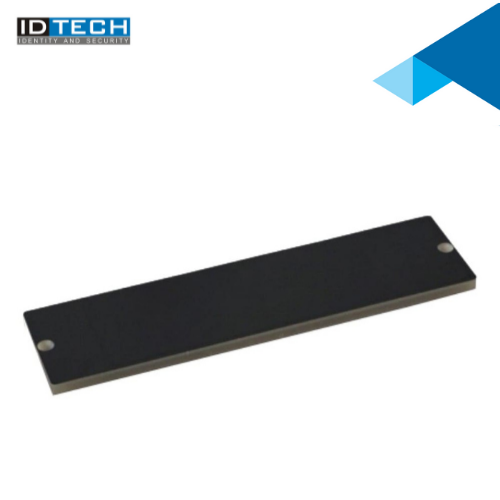
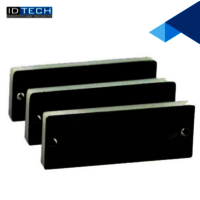
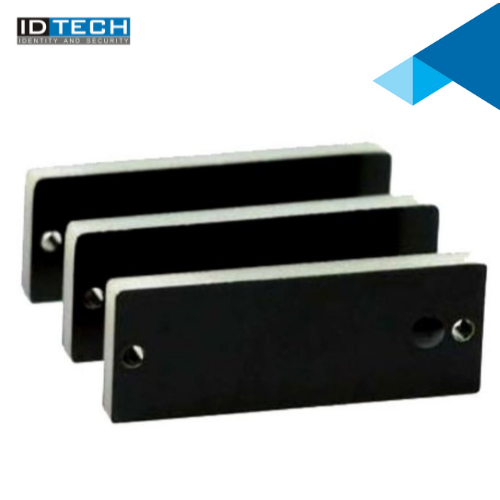
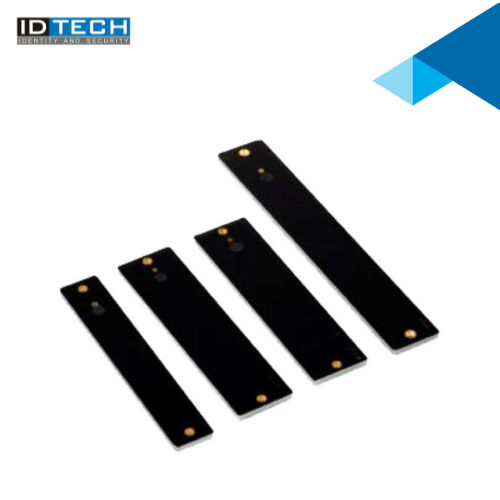
PCB RFID Tag Manufacturer
50 INR/Piece
Product Details:
- Reading Distance Upto 8 meters (depends on reader)
- Frequency 860-960 MHz
- Memory Size 128 bits EPC memory
- Thickness 1.2 mm
- Surface FR4 PCB
- Application Inventory management, asset tracking, supply chain logistics
- Crafts Laser engraving, silk screen printing
- Click to View more
X
PCB RFID Tag Manufacturer Price And Quantity
- 200 Number
- 50 INR/Piece
- FR-4 epoxy glass fiber PCB material
- 100,000 read/write cycles
- Adhesive, screw, or rivet mounting options available
- Laser engraved numbering, color, surface, coding and size per requirement
- Waterproof, anti-metal, dust resistant
- Yes
- Approx. 2-5g depending on size
- Up to 10 years
PCB RFID Tag Manufacturer Product Specifications
- 1.2 mm
- FR4 PCB
- RFID passive tag
- 55 mm x 18 mm x 1.2 mm
- UHF RFID
- PCB RFID Tag
- Impinj Monza R6
- Yes
- Upto 8 meters (depends on reader)
- -40C to +85C
- 860-960 MHz
- Impinj Monza R6
- 128 bits EPC memory
- Laser engraving, silk screen printing
- Inventory management, asset tracking, supply chain logistics
- FR-4 epoxy glass fiber PCB material
- 100,000 read/write cycles
- Adhesive, screw, or rivet mounting options available
- Laser engraved numbering, color, surface, coding and size per requirement
- Waterproof, anti-metal, dust resistant
- Yes
- Approx. 2-5g depending on size
- Up to 10 years
PCB RFID Tag Manufacturer Trade Information
- Cheque
- 2 Week
- Australia, North America, South America, Eastern Europe, Western Europe, Middle East, Central America, Asia, Africa
- All India
Product Description
RFID PCB Tags, which is highly admired due to its superb strength, good quality and highly durable in nature. We made the same by utilizing best quality required components with the help of innovative technology under the visionary of our experts. It is best choice to use for searching, identification and tracking purposes. Our valued clients can avail this RFID PCB Tags from us within the promised time frame.Versatile Mounting & Superior Durability
Designed for real-world application flexibility, our PCB RFID tag supports adhesive, screw, or rivet mounting. The robust FR-4 epoxy glass fiber construction and waterproof, anti-metal, and dust resistant features equip it for harsh environments without compromising performance.
Reliable Performance & Longevity
Achieve consistent operation with up to 100,000 read/write cycles and data retention for 10 years. The Impinj Monza R6 chip ensures efficient UHF communication (860-960 MHz), while its resistance to extreme temperatures guarantees uninterrupted use across various industries.
Customization For Every Need
Choose from laser-engraved numbering, multiple surface finishes, color options, and variable sizes to match your project requirements. Each tag can be uniquely coded, maximizing compatibility and traceability in your inventory or asset tracking systems.
FAQs of PCB RFID Tag Manufacturer:
Q: How can I mount the PCB RFID Tag for secure installation?
A: The PCB RFID Tag can be mounted using adhesive, screws, or rivets, allowing secure placement on a wide variety of surfaces. This flexibility supports deployment in diverse environments and operational setups.Q: What are the benefits of using FR-4 epoxy glass fiber for RFID tags?
A: FR-4 epoxy glass fiber provides excellent mechanical strength, electrical insulation, and resistance to moisture and chemicals. These characteristics make the tag highly durable, waterproof, and suitable for industrial environments.Q: Where are these PCB RFID Tags commonly used?
A: These tags are widely utilized in inventory management, asset tracking, and supply chain logistics, especially in industries where harsh conditions, long-range reading, and data durability are essential.Q: What customization options are available for the RFID tags?
A: We offer laser engraved numbering, custom coding, selectable surface finishes, various colors, and sizes tailored to your specific requirements, providing optimal tracking and identification solutions.Q: How long does the PCB RFID Tag retain stored data, and how many read/write cycles does it support?
A: The tag guarantees data retention for up to 10 years and supports approximately 100,000 read/write cycles, ensuring longevity and reliable performance throughout its service life.Q: What is the process for ordering custom PCB RFID Tags from your company?
A: To order, simply contact us with your specifications for coding, color, surface type, and size. We will guide you through the design, production, and delivery process, ensuring your tags meet all operational needs.Q: What makes these RFID tags virus proof, and how does it benefit the user?
A: The non-porous FR-4 surface resists microbial contamination and allows easy sanitization, minimizing infection risks. This feature is particularly beneficial for healthcare, food logistics, and other hygiene-sensitive sectors.Tell us about your requirement

Price:
Quantity
Select Unit
- 50
- 100
- 200
- 250
- 500
- 1000+
Additional detail
Mobile number
Email

Other Products in 'RFID Tags' category

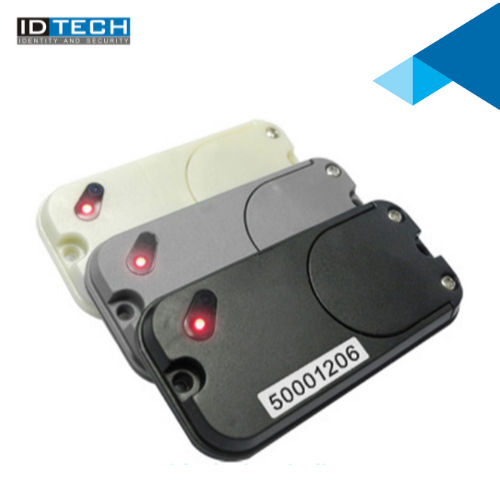


"We are accepting bulk order quantity only."
 Send Inquiry
 Send SMS
 Call Me Free
ID TECH SOLUTIONS PVT LTD
GST : 06AACCI5313D1Z4
GST : 06AACCI5313D1Z4

- Plot No. 610, Udyog Vihar, Phase V, Gurugram - 122016, Haryana, India
- Phone : 08045813073

- Mr Saurav Khemani (Managing Director)
- Mobile : 08045813073
- info@idsolutionsindia.com

|


ID TECH SOLUTIONS PVT. LTD.
All Rights Reserved.(Terms of Use)
Developed and Managed by Infocom Network Private Limited.
Developed and Managed by Infocom Network Private Limited.

